S Corporation

Selecting a tax accounting method for your small business

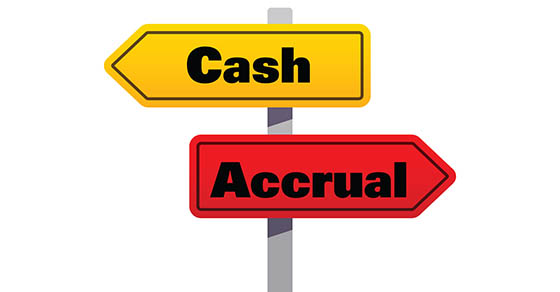
Small business owners must answer an important question: Should we use the cash or accrual accounting method for federal income tax purposes? Larger entities are required to use the accrual method. But certain small businesses can elect to use the cash method. You may want to consider this option if it will help lower your taxes. However, […]

Selecting a tax accounting method for your small business Read More »

What’s the right entity type for your new business?

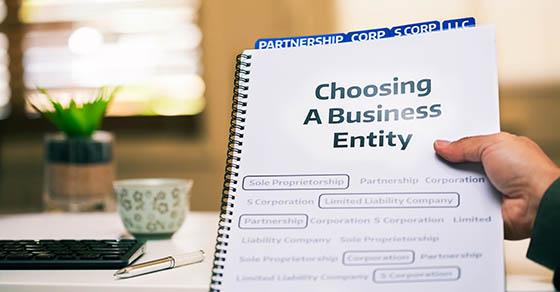
Start-ups must choose a legal entity for their business activities. The type of entity you select affects how the business is taxed and who may be held personally liable for its debts and obligations, among other things. Two popular options — assuming you’re going into business with one or more other people — are S

What’s the right entity type for your new business? Read More »

There’s still time to set up a SEP and reduce your 2025 taxes

If you own a business or are self-employed and haven’t already set up a tax-advantaged retirement plan, consider establishing one before you file your 2025 tax return. If you choose a Simplified Employee Pension (SEP), you’ll be able make deductible 2025 contributions to it, saving you taxes. Not only is the SEP deadline favorable, but

There’s still time to set up a SEP and reduce your 2025 taxes Read More »

Tax filing update for pass-through entities

Do you operate a business as a partnership, a limited liability company (LLC) treated as a partnership for tax purposes or an S corporation? In tax lingo, these are called “pass-through” entities because their taxable income items, tax deductions and tax credits are passed through to their owners and taken into account on the owners’ federal

Tax filing update for pass-through entities Read More »

Avoiding inadvertent S corp termination

S corporation structure provides most of the tax benefits of a partnership plus the liability protection of a corporation. But because of the strict requirements that apply to these entities, preserving S corporation status requires due diligence. Reap the benefits Like a traditional C corporation, an S corporation shields its shareholders from personal liability for the corporation’s

Avoiding inadvertent S corp termination Read More »

New law eases the limitation on business interest expense deductions for 2025 and beyond

Interest paid or accrued by a business is generally deductible for federal tax purposes. But limitations apply. Now some changes under the One Big Beautiful Bill Act (OBBBA) will result in larger deductions for affected taxpayers. Limitation basics The deduction for business interest expense for a particular tax year is generally limited to 30% of

New law eases the limitation on business interest expense deductions for 2025 and beyond Read More »

Why start-ups should consider launching as S corporations

Launching a new business brings tough decisions. And that holds true whether you’re a fledgling entrepreneur starting your first company or an experienced businessperson expanding into a second or third enterprise. Among the most important calls you’ll need to make is how to structure the start-up for tax purposes. For many business owners, electing S corporation

Why start-ups should consider launching as S corporations Read More »

Run a business with your spouse? You may encounter unique tax issues

Do you and your spouse together operate a profitable unincorporated small business? If so, you face some challenging tax issues. The partnership issue An unincorporated business with your spouse is classified as a partnership for federal income tax purposes, unless you can avoid that treatment. Otherwise, you must file an annual partnership return using Form 1065.

Run a business with your spouse? You may encounter unique tax issues Read More »

Lower your self-employment tax bill by switching to an S corporation

If you own an unincorporated small business, you may be frustrated with high self-employment (SE) tax bills. One way to lower your SE tax liability is to convert your business to an S corporation. SE tax basics Sole proprietorship income, as well as partnership income that flows through to partners (except certain limited partners), is subject

Lower your self-employment tax bill by switching to an S corporation Read More »

A tax guide to choosing the right business entity

One of the most critical decisions entrepreneurs make when starting or restructuring a business is choosing the right entity type. This choice directly impacts how the business is taxed, the level of administrative complexity and regulatory compliance obligations. While legal liability considerations also matter, we will focus on tax implications. For liability advice, consult a

A tax guide to choosing the right business entity Read More »